

The benefits of regular door inspections include:
- Finding early signs of wear in hinges, rollers, tracks, and hardware before movement becomes unstable
- Reducing friction and mechanical strain that slowly damages components during daily use
- Preventing unexpected shutdowns by catching problems before parts fail
- Lowering repair costs by fixing small issues before they affect other components
- Checking sensors and movement behavior to reduce long-term stress on the system
- Protecting frames and mounting points from gradual structural damage
- Extending overall service life by keeping systems properly aligned and balanced
This guide explains the benefits of regular commercial door inspections. Keep reading to learn more.
Benefits of Regular Inspections for Commercial Door Systems
Routine inspections play a direct role in door longevity by slowing mechanical wear, reducing operational strain, and correcting small issues before they shorten service life.
The following sections break down the advantages of routine inspection schedules:
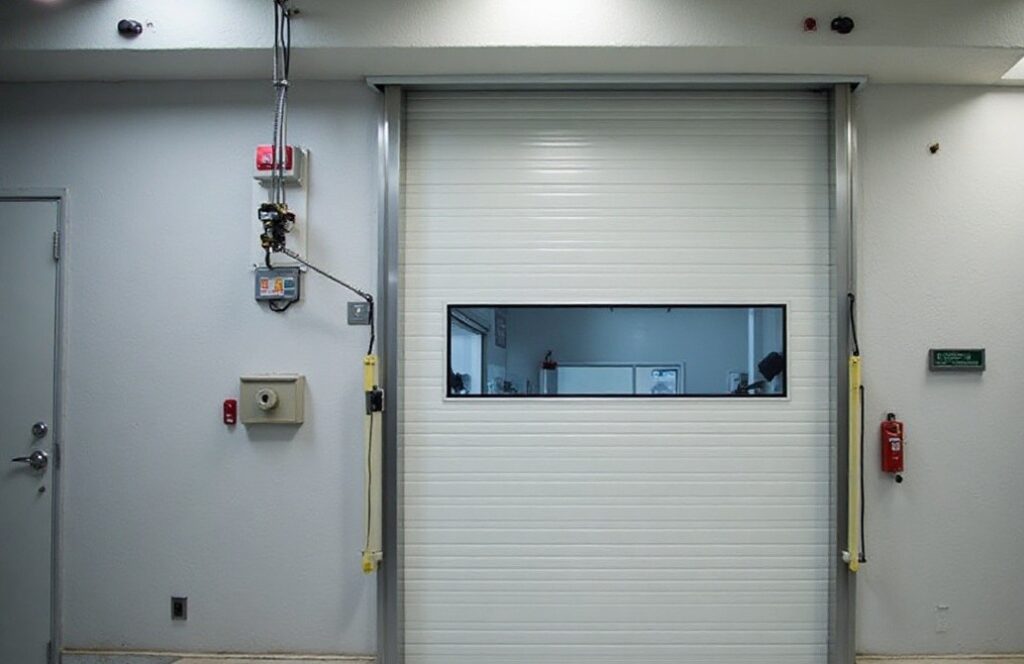
Catch Early Mechanical Wear Before It Compromises Door Longevity
Routine checks improve door longevity by identifying early-stage wear that, if left unchecked, can increase friction, imbalance, and stress across moving components. This type of wear usually develops slowly and worsens with repeated use.
Inspections help by actively identifying and correcting the following conditions:
- Identify hinge and roller wear before friction begins to deform metal surfaces
- Correct track alignment before resistance transfers load to other components
- Detect uneven movement patterns before they cause structural stress
- Address early surface wear before it spreads to connected parts
Prevent Operational Failures That Lead to Premature System Shutdowns
Ongoing inspections support door longevity by finding failure points that would otherwise cause systems to stop working during daily operation. Most shutdowns result from problems that were visible long before failure.
Inspections prevent these failures by addressing issues early:
- Identify components approaching failure before they seize or break
- Detect cable or spring degradation before loss of controlled movement
- Correct mechanical resistance before it overloads operators
- Resolve alignment issues before systems bind or stall
Limit Progressive Damage That Drives Up Repair and Replacement Costs
Scheduled inspections help preserve door longevity by catching minor issues before they damage other components. Unresolved problems affect other parts.
Inspections limit damage by taking these actions:
- Correct alignment issues before frames and tracks are affected
- Identify part wear before it transfers stress to motors or controls
- Address loosened hardware before vibration causes secondary damage
- Prevent repeated strain that leads to full system replacement
Reduce High-Cycle Fatigue That Shortens Service Life
Routine inspections improve door longevity by managing fatigue from frequent daily operation and repeated opening and closing cycles. High-use systems wear faster without routine evaluation.
Inspections reduce fatigue by focusing on the following areas:
- Identify bearing and roller wear before friction increases the cycle load
- Adjust tension settings to reduce stress during movement
- Detect resistance that forces motors to work harder than designed
- Correct wear patterns that shorten component lifespan
Correct Sensor and Speed Issues That Increase Long-Term Wear
Inspection routines support door longevity by correcting response and movement issues that place unnecessary stress on mechanical components. Improper timing causes repeated strain over time.
Inspections address these problems by:
- Identifying delayed sensor response before it alters movement timing
- Correcting the closing speed before impact stress damages hardware
- Detecting improper stopping behavior that causes repeated shocks
- Preventing force-related wear that accelerates part failure
Preserve Fire-Rated Function Without Increasing Mechanical Stress
Routine inspections improve door longevity by keeping fire-rated systems operating correctly without forcing components beyond their design limits. Improper function often accelerates wear.
Inspections protect both compliance and durability by:
- Verifying controlled closing without excessive force
- Identifying latch and seal issues before forced operation occurs
- Correcting alignment problems that stress hinges and frames
- Maintaining proper function without added mechanical load
Protect Frames and Mounting Points From Long-Term Structural Damage
Regular checks improve door longevity by preventing gradual structural damage that often leads to early replacement of the full opening. Structural failure usually starts with minor alignment shifts.
Inspections prevent that damage by:
- Identifying mounting movement before the anchors loosen
- Correcting frame alignment before surrounding materials are stressed
- Detecting vibration caused by uneven operation
- Preventing long-term damage that shortens overall service life
Schedule Professional Commercial Door Inspection
Routine inspections should be handled by experienced inspectors who understand how commercial systems wear, shift, and fail over time. A structured inspection schedule helps protect door longevity by addressing alignment, movement, safety, and mechanical stress before problems escalate.
Our team provides regular door maintenance and professional inspection services across Rochester, Buffalo, Cincinnati, and Philadelphia, with experience across high-traffic commercial environments. Inspections are performed with a clear focus on extending service life, reducing unexpected failures, and maintaining safe operation through consistent, documented checks.
Below are our phone numbers:
Buffalo, NY: (716) 894-2000
Cincinnati, OH: (513) 821-7500
Rochester, NY: (800) 884-4440
Philadelphia, PA: (215) 654-9550
Frequently Asked Questions
How often should commercial systems be inspected?
Most commercial systems should be inspected at least once a year, with high-traffic or high-cycle systems checked more frequently.
What does a professional inspection include?
Inspections typically cover alignment, moving components, operators, safety features, and signs of mechanical or structural wear.
Can inspections help extend door longevity?
Yes. Inspections identify wear and stress early, helping slow damage and extend the system’s usable life.
Do inspections reduce emergency repair needs?
Yes. Many emergency failures are caused by issues that inspections can identify well in advance.
Who are qualified inspectors for commercial door inspections?
Qualified inspectors are trained professionals with experience inspecting commercial systems, safety features, and mechanical components.