

Commercial door security considerations depend on several features that strengthen the entrance and reduce weak points. Some of these features include:
- Strong materials that resist pressure and stay stable during impact
- Reinforced frames that keep the door aligned under force
- Reliable lock that limits entry and reduces tampering attempts
- Protected glass that stays bonded and slows break-in attempts
- Fire-rated hardware that supports safe evacuation during emergencies
- Working hinges and closers that keep the door sealed and steady
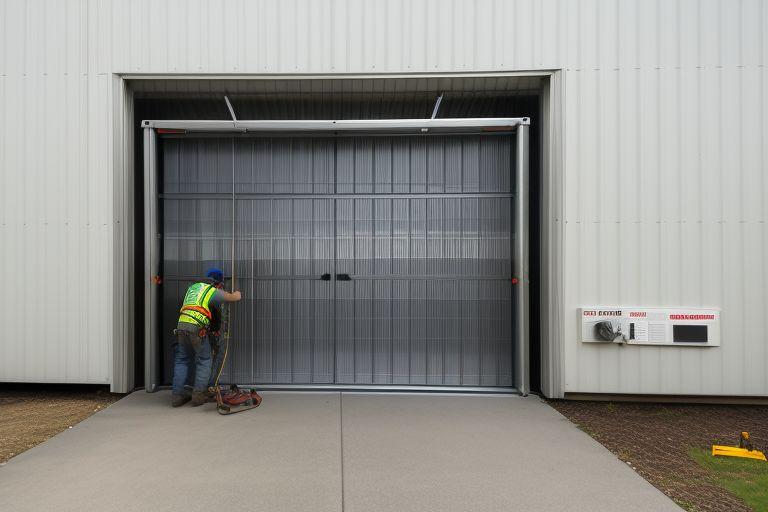
- Rolling gates that add a solid barrier after business hours
- Routine inspections that catch wear or damage before risks grow
- Environmental factors that affect door strength and long-term stability
A strong commercial entrance depends on how well each part of the system handles pressure and daily movement. A strong material supports impact resistance, while the frame helps spread force across the opening.
When these features work together, the entrance can resist stress and limit unauthorized entry. It can also work safely during high traffic periods. This guide explains how each security feature works and why it is vital to protecting a commercial entrance.
If your entrance shows early signs of weakness or needs more strength, our team can help you improve safety. Call (800) 884-4440 for support with commercial door security and quick service when you need it.r
Security Considerations for Commercial Doors
A commercial door security system includes several parts that work together to create a safer and more stable entrance. A secure entrance protects the building, supports the locking system, and stays stable during repeated use. Different properties have different needs based on building age, traffic levels, and the surrounding environment.
Main security factors include:
- Door material strength
- Frame reinforcement
- Locking system reliability
- Storefront glass protection
- Fire-rated hardware
- Hinges and closers
- Rolling gates
- Routine inspections
- Local environmental conditions
Choose Strong Door Materials to Control Forced Entry Risks
Strong door materials reduce forced-entry risks by providing a solid surface that can withstand impact and pressure. These materials support safer access points in buildings that face heavy use or exposure to impact tools.
These materials stay stable under pressure and support safe use. They help the door hold its shape during impact and reduce weak spots that intruders can target. Structural door parts must stay stable during daily activity and during heat exposure.
Common strong door materials:
- Steel doors
- Insulated metal doors
- Reinforced aluminum doors
- Laminated glass doors
Strong materials protect the opening by resisting bending, breaking, or shattering. Steel and insulated metal resist dents. Reinforced aluminum handles frequent use. Laminated glass stays together after impact because the inner layer keeps the glass bonded when the outer surface cracks.
Reinforce Door Frames to Stop Break-Ins
Reinforced door frames help stop break-ins by holding the door securely in place during impact or heavy use. A stronger frame supports the lock and keeps the door aligned so it can resist forced entry attempts.
The frame works with commercial door security hardware to support its weight and help it move smoothly. A weak frame can split or twist under pressure.
Strong frames help spread force across the opening and support the locking system. It also supports commercial door security locks by keeping the strike plate steady and preventing the lock from shifting under force.
Ways to reinforce a frame:
- Use heavy-gauge metal frames: These frames stay firm during pressure and help the door hold its shape.
- Add reinforcement plates: These plates strengthen the lock and hinge areas so they do not loosen when hit.
- Install anchored strike plates: Anchored plates attach deeper into the wall, so the lock stays secure during force.
- Use a solid threshold at the base: A solid threshold keeps the bottom of the frame steady and helps the door close smoothly.
Use Reliable Locking Systems to Keep Your Entrance Secure
Reliable locking systems improve access control by limiting who can open the door and making unauthorized entry harder. These systems help protect the building by managing entry and preventing bypass.
Locks create a barrier that works with the door and frame. A strong lock reduces tampering and helps manage who enters the building. For commercial door access control systems, many businesses use locks that allow tracking or restricted access for specific times.
Locks to consider:
- Mechanical deadbolts: These locks use a solid metal bolt that slides into the frame to resist force.
- Electronic keypad lock: This lock opens with a code, so access can be controlled without physical keys.
- Card access systems: These systems open with a swipe or tap card that limits entry to approved users.
- Magnetic lock: This lock uses a strong magnet to hold the door closed until released by a switch.
- Integrated access control systems: These systems connect locks, alarms, and entry logs so security can be managed in one place.
Protect Storefront Glass to Reduce Vulnerabilities
Storefront glass upgrades support commercial glass door security by strengthening the widest exposed surface on the entrance and slowing break-in attempts. Glass is often targeted because it can break faster than metal, so extra protection helps slow entry attempts.
Glass needs added layers to stay intact under pressure. Laminated or treated glass stays bonded even when cracked, which slows down intruders. Safety film adds thickness and helps the glass hold together longer. Laminated glass offers added safety during impact.
Ways to protect glass:
- Laminated glass: This glass has layers that stay bonded after impact, so the panel does not fall apart.
- Safety film: This film adds a protective layer that helps hold cracked glass together.
- Tempered glass: This glass is heat-treated, so it becomes stronger and breaks into small, blunt pieces.
- Reinforcement bars: These bars add support to the door and make it harder to push through the glass.
Add Fire-Rated Doors to Comply with Regulations
Fire-rated doors support safe evacuation by slowing the spread of smoke and flames. Commercial buildings require these doors in certain areas to comply with fire safety regulations and protect occupants.
Fire-rated doors use layers of materials that resist heat for a set time. These doors must pair with approved hardware, such as panic bars and latching systems. The National Fire Protection Association (NFPA) explains that fire-rated door assemblies help keep fire and smoke inside a compartment so they do not spread into other areas.
Important fire door features:
- Labelled fire rating: This label shows how long the door can resist heat during a fire event.
- Fire-rated hardware: This hardware is tested to work under high heat, so the door stays secure.
- Panic bars: These bars let people open the door quickly during an emergency without keys.
- Self-closing devices: These devices pull the door shut after each use to keep fire barriers in place.
They serve as key safety features by helping protect hallways, stairwells, and exit routes during emergencies.
Inspect Hinges, Closers, and Hardware to Stop Door Weakness
Inspecting hinges, closers, and hardware stops door weakness by keeping moving parts in good working condition. These parts help the door move smoothly and stay aligned with the frame.
Hardware wears down with daily use. Hinges can loosen. Closers can leak. Latches can shift out of place. Building components should be inspected when wear or damage can affect safety.
Hardware to check during inspections:
- Hinges: They hold the door on the frame, so loose or worn hinges can create gaps that weaken security.
- Door closers: They control how the door shuts, and damaged closers can leave the door partly open.
- Latches: Latches connect the door to the frame, so alignment issues can stop the lock from engaging fully.
- Lever handles: They face constant use, and worn handles can reduce grip over the lock.
- Mounting screws: They keep hardware secure, and loose screws can shift parts out of place and weaken the door.
Strong hardware supports the whole door system. Regular checks help catch early signs of failure.
Consider Rolling Gates for After-Hours Protection
Rolling gates provide after-hours protection by adding a solid barrier in front of or behind a commercial door. This extra layer makes forced entry harder during closed hours.
Rolling gates are common in retail and warehouse settings. They cover the full opening and block access to the main entrance. They also help protect glass and hardware.
Types of rolling barriers:
- Interior rolling grilles: These grilles provide visibility while blocking access to the door inside the building.
- Exterior rolling steel gates: These gates create a solid shield on the outside to slow forced entry attempts.
- Solid rolling shutters: These shutters close off the entire opening to protect doors and glass from impact.
These barriers work well for buildings that store valuables or operate in busy commercial districts.
Schedule Routine Security Inspections to Catch Damage Early
Routine security inspections catch damage early by finding issues before they grow into serious risks. These checks help maintain strong performance across the whole door system.
Inspections help spot wear, misalignment, or broken parts. Regular checks keep doors safe for daily use and help reduce repair costs. Many safety guidelines recommend checking moving parts in buildings where failures could affect staff or visitors.
Items to review during inspections:
- Lock condition: Check that the lock moves smoothly and fully engages the frame so the door stays secure.
- Frame stability: Confirm that the frame has no cracks or shifting because movement can weaken the opening.
- Glass condition: Look for chips or loose edges because damaged glass can break faster under pressure.
- Hinge alignment: Make sure that the hinges line up with the frame so the door closes evenly without gaps.
- Closer speed: Test the closer to confirm the door shuts at a safe and steady speed every time.
- Screw tightness: Tighten loose screws because they can cause hardware to shift and reduce door strength.
These small checks help keep the entrance stable and reduce weak spots around the opening.
Understand Local Security Factors
Local conditions shape the type of security a commercial door needs. Different areas and building ages face different risks and demands.
Temperature swings can affect metal frames and door movement. Older buildings may use outdated hardware that needs upgrades. Busy districts place more stress on doors due to high foot traffic. Quiet areas may face higher break-in risks during late hours.
Local factors that affect door security:
- Seasonal temperature changes: Temperature swings can cause metal frames and doors to expand or contract, creating gaps that weaken security.
- Older building stock: Older buildings often use outdated frames or hardware that may not hold up against pressure or modern forced entry methods.
- Busy pedestrian areas: High traffic zones increase contact with entrances, which can speed up wear and create weak points that need more frequent checks.
- Nighttime conditions: Lower activity after hours raises break-in risks, so buildings in quiet zones may need stronger barriers or rolling gates.
Contact A 24 Hour Door National Inc. to Improve Your Commercial Door Security
Our team at A 24 Hour Door National Inc. helps businesses fix weak points and protect entrances day and night. Our service supports safer access for staff, customers, and property.
A 24 Hour Door National Inc. delivers skilled commercial door service backed by trained technicians and clear communication. Our team responds day and night, handles emergency repairs, and installs hardware that supports safer entry points.
Our services:
- Emergency door repair
- Lock upgrades
- Frame reinforcement
- Rolling gate installation
- Fire-rated door installation
- Storefront glass repair
- Door alignment and hardware replacement
Call (800) 884-4440 anytime to schedule service or request a commercial door security review.
FAQs
What are some advanced locking mechanisms for commercial doors?
Advanced locking mechanisms include electronic keypads, card access systems, magnetic locks, and integrated access control systems. These lock types help control who enters the building and add extra protection against tampering.
What security risks do businesses face regarding doors?
Businesses face risks such as weak materials, loose frames, worn hardware, broken glass, and outdated locking devices. These issues create gaps or soft spots that intruders can target during forced entry.